Article
VAT on food sales: is it standard or zero rated?
VAT on food can be a complex area when it comes to VAT. You will need to consider the type of food you are selling, as well as the temperature, and whether it is eaten in or taken away.
Last updated 12 Feb 2025 | First published 12 Feb 2025
By Catherine Heinen, FCCA 3 min read
If you are not a VAT registered business, then you do not need to worry about charging VAT.
Food for human consumption is generally zero-rated for VAT, however there are various exceptions to be aware of. Read our guide to understand when there could be a discrepancy and when you should seek professional advice.
VAT on confectionery
There are specific cases where confectionery items have been treated differently for VAT, here are some examples and highlights from VAT tribunals.
- Jaffa cakes – cakes, although HMRC tried to declare them a biscuit, so they are zero-rated.
- Mega marshmallows – while the courts are still debating this, currently it seems that mega marshmallows are an ingredient, not confectionery, so they are zero-rated. This is because they are intended for roasting not eating out of the bag.
- Walkers poppadoms – standard rated as they are potato snacks.
- Organix and Nakd bars – even though they are marketed as ‘healthy’ food items, they are confectionery and standard rated
- Teacakes – these have been agreed to be a cake and therefore zero-rated
- Pringles – they are standard rated, as they are a potato snack
- McVitie’s Blissfuls – there was an argument as to whether the biscuits are wholly or partly covered with chocolate or filled with chocolate. It was deemed they are covered and therefore standard rated
Other items that are specifically standard rated for VAT include:
- Biscuits wholly or partly covered with chocolate
- Alcoholic drinks, soft drinks, mineral water and sports drinks
- Potato crisps and some savoury snacks
- Ice-cream
- Catering supplies
- Roasted or salted nuts
Items that are specifically zero-rated for VAT include:
- Mousses, gateaux and Baked Alaska
- Cakes
- Chocolate spread
- Iced coffee and milkshakes
- Vegetable based snacks and crisps
- Most unprocessed food (raw meat, fruit and vegetables)
- Most ingredients for home cooking and baking
- Unshelled nuts
Need support with your bookkeeping and VAT?
Contact TaxAssist Accountants for a free, no-obligation consultation to get a fixed fee quote
Or contact usAre you a caterer?
HMRC defines catering as “Catering in its ordinary meaning includes the supply of prepared food and drink. It is characterised by a supply involving a significant element of service.”
If you are catering for weddings, delivering ready to eat meals, delivering packed lunches for meeting then this is all considered catering, and you must charge 20% VAT.
If you are supplying food and drink to customer that requires them to cook or heat up, including takeaway food, then the VAT treatment is not so simple.
Is it to eat-in or takeaway?
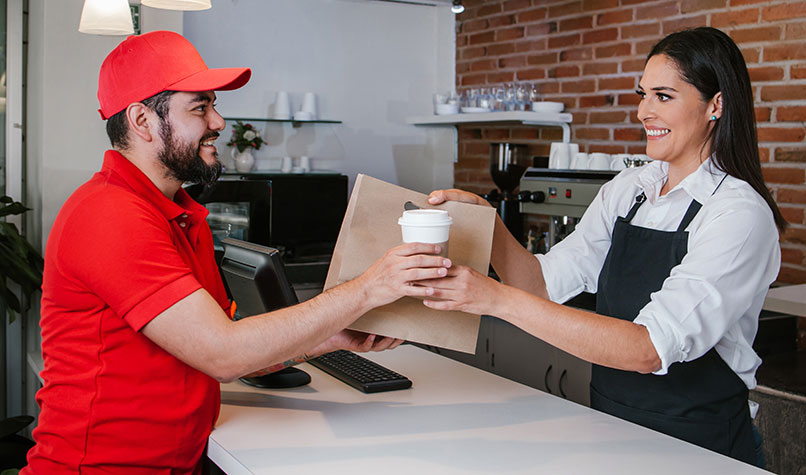
When you purchase food from a café and they ask if you are eating in or taking away there’s a couple of reason for this question.
- They can package your food correctly – a plate or mug or a takeaway box/cup
- To get the VAT treatment correct
- eating in then you should charge 20% VAT.
- taking away then there are further rules to consider for VAT.
Standard-rated takeaway food
If the food itself is standard rated then you should charge 20% VAT.
Regardless of the VAT rate, you must charge 20% VAT on all hot takeaways and home deliveries. This includes food that is heated to order and where you have kept it hot after cooking.
Zero-rated takeaway food
If the food is zero-rated and is provided to the customer cold, a zero-rated VAT charge applies.
Food eaten in
Where customers eat the food on your premises or in a designated seating area, you will have to charge VAT at standard rate.
How we can help
If you need help with your bookkeeping, VAT, accounts and tax get in touch. Call our friendly team on 01753 971 440 or use our online contact form.
Get help with your VAT returns
Contact TaxAssist Accountants for a free, no-obligation consultation to get a fixed fee quote
Or contact usFrequently Asked Questions
You must register for VAT if your taxable turnover exceeds the VAT threshold. It may be beneficial to register for VAT even if you don't meet the VAT threshold. To consider your options, speak to an accountant.
If you want to become VAT registered, you can register with HMRC online, or ask your accountant to do this for you. You will need to have some information to hand, including your business bank account details, company registration number (if applicable), your Unique Tax Reference (UTR) and/or your National Insurance number. You will also need to know your annual turnover and information relating to you and your business' taxes.
Once you're registered you'll receive a VAT registration number and be able to set up an online business tax and VAT account.
Firstly, it's not uncommon for businesses to creep over the VAT threshold and not realise they should have registered for VAT. Registering therefore reduces the chance of missing this deadline and being liable to penalties. Being VAT registered also allows you to claim back VAT on your purchases and it is possible that this could be advanatgeous for your business, depending on what you're selling.
Last updated 12 Feb 2025 | First published 12 Feb 2025
This article is intended to inform rather than advise and is based on legislation and practice at the time. Taxpayer’s circumstances do vary and if you feel that the information provided is beneficial it is important that you contact us before implementation. If you take, or do not take action as a result of reading this article, before receiving our written endorsement, we will accept no responsibility for any financial loss incurred.

Catherine Heinen, FCCA
Catherine is a qualified accountant and technical content writer with experience working at mutliple accountancy practices in the UK top 50 accountancy firms according to Accountancy Age. Catherine has significant experience in accounts, tax returns and advising clients. Catherine ensures businesses, business owners and individuals are kept up to date and informed by providing concise and informative technical material.
Choose the right accounting firm for you
Running your own business can be challenging so why not let TaxAssist Accountants manage your tax, accounting, bookkeeping and payroll needs? If you are not receiving the service you deserve from your accountant, then perhaps it’s time to make the switch?

Local business focus
We specialise in supporting independent businesses and work with 100,000 clients. Each TaxAssist Accountant runs their own business, and are passionate about supporting you.

Come and meet us
We enjoy talking to business owners and self-employed professionals who are looking to get the most out of their accountant. You can visit us at any of our 394 locations, meet with us online through video call software, or talk to us by telephone.

Switching is simple
Changing accountants is easier than you might think. There are no tax implications and you can switch at any time in the year and our team will guide you through the process for a smooth transition.